
Bench Warrants in Marion County
A bench warrant is a judge's order issued from an existing case, commonly after a missed appearance, failure to follow a payment plan, contempt finding, or failure to complete a court-ordered condition. Marion records may also use the term capias for process that directs an arrest or appearance.
The label does not reveal the full remedy. A missed criminal setting, unpaid fine, or uncompleted condition can follow different rules. The docket and signed order show what occurred and which court must act next.
The 15th Circuit court-information page identifies the circuit docket route.
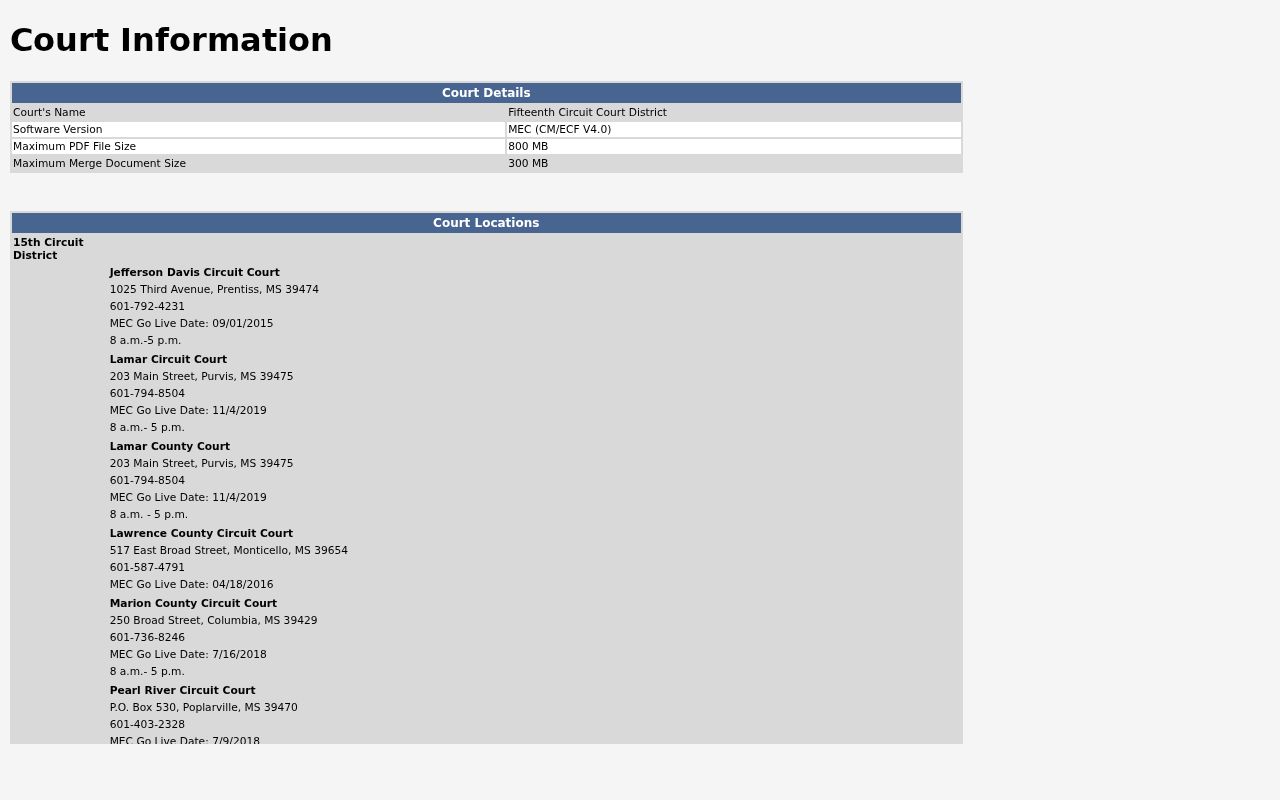
Its case information can orient a request, but the clerk or court must confirm the operative bench order.
How a Marion County Bench Warrant Is Issued
After a person misses a required setting or fails to comply, the judge may enter a bench warrant or capias on the docket. The order authorizes law enforcement action, but the issuing court retains control over recall, quashing, a new setting, and related bond or payment terms.
The event may appear in a public docket, an agency system, or only in restricted law-enforcement channels. It remains important to check for later entries because an order can be served, returned, recalled, or satisfied without an old copy showing the change.
Bench Warrant vs Arrest Warrant
A bench warrant grows from an existing case and a court obligation. An arrest warrant ordinarily follows a sworn complaint and a judicial probable-cause finding for an alleged offense. Both can authorize arrest, but their paperwork and resolution routes differ. See Marion County arrest warrants for the companion process.
| Feature | Bench Warrant | Arrest Warrant |
|---|---|---|
| Trigger | missed court date / FTA / contempt | probable cause of an offense |
| Who Issues It | the judge from the bench | a judge or magistrate on affidavit |
| Underlying Case | an existing case the person skipped | a new or charged offense |
| How It Clears | appear / recall / quash | surrender / bond / court appearance |
How to Resolve a Bench Warrant
Resolution starts with the issuing court, not with assumptions about the sheriff or a payment vendor. Ask what the docket currently shows, whether counsel may seek a recall or new setting, and whether a bond, payment, or appearance is required. Obtain confirmation after any action.
- Confirm the entry and case number with the court that issued it.
- Ask counsel whether a motion to recall, quash, or reset is available.
- Follow the court's directions for appearance, bond, or a new setting.
- Resolve the underlying obligation and verify the later docket entry.
Caution: do not ignore a bench warrant; it does not expire and can lead to arrest at a traffic stop or when applying for a license.
Which Marion County Court Issued It
The issuing court matters because it controls the underlying case and any recall. For Circuit or County Court matters, contact the Circuit Clerk at 250 Broad Street, Suite 1, Columbia, or 601-736-8246. For Justice Court matters, contact 500 Courthouse Square, Suite 2, or 601-736-2572.
A city citation may instead belong to a municipal court. Read the citation or docket before calling. The sheriff may serve an order but cannot substitute for the judge's recall. Use the Marion County warrant search routes when the court is unclear.
Marion County Capias Terminology
A docket may use capias alongside bench-warrant language; the signed order and case context explain what the term commands.
Marion County Justice Court Bench Warrants
Call 601-736-2572 for a Justice Court case and ask whether a new setting, payment plan, bond, or appearance applies.
Marion County Circuit Bench-Warrant Records
MEC/PAMEC can orient a nonrestricted circuit search, while the Circuit Clerk confirms the official file and later orders.
Payment Does Not Always Recall a Marion Warrant
Ask the issuing court whether payment satisfies only a balance or also changes the bench warrant and next setting.
Documenting a Marion Bench-Warrant Resolution
Retain the receipt, filed motion, order, and clerk confirmation so each required court action can be traced.